Mobile version is in progress.
For the best experience, please view on a laptop.
Mahalaxmi / महालक्ष्मी - Est. 1999
This is how India wears Hertiage. Built on craft that predates trends, the brand makes pieces meant to be held close — worn at weddings, folded with care, passed to daughters. this was their first step online.
Mahalaxmi / महालक्ष्मी
E-commerce / Online Store
UX Design · Image Direction · Branding · Social Media
n | Branding
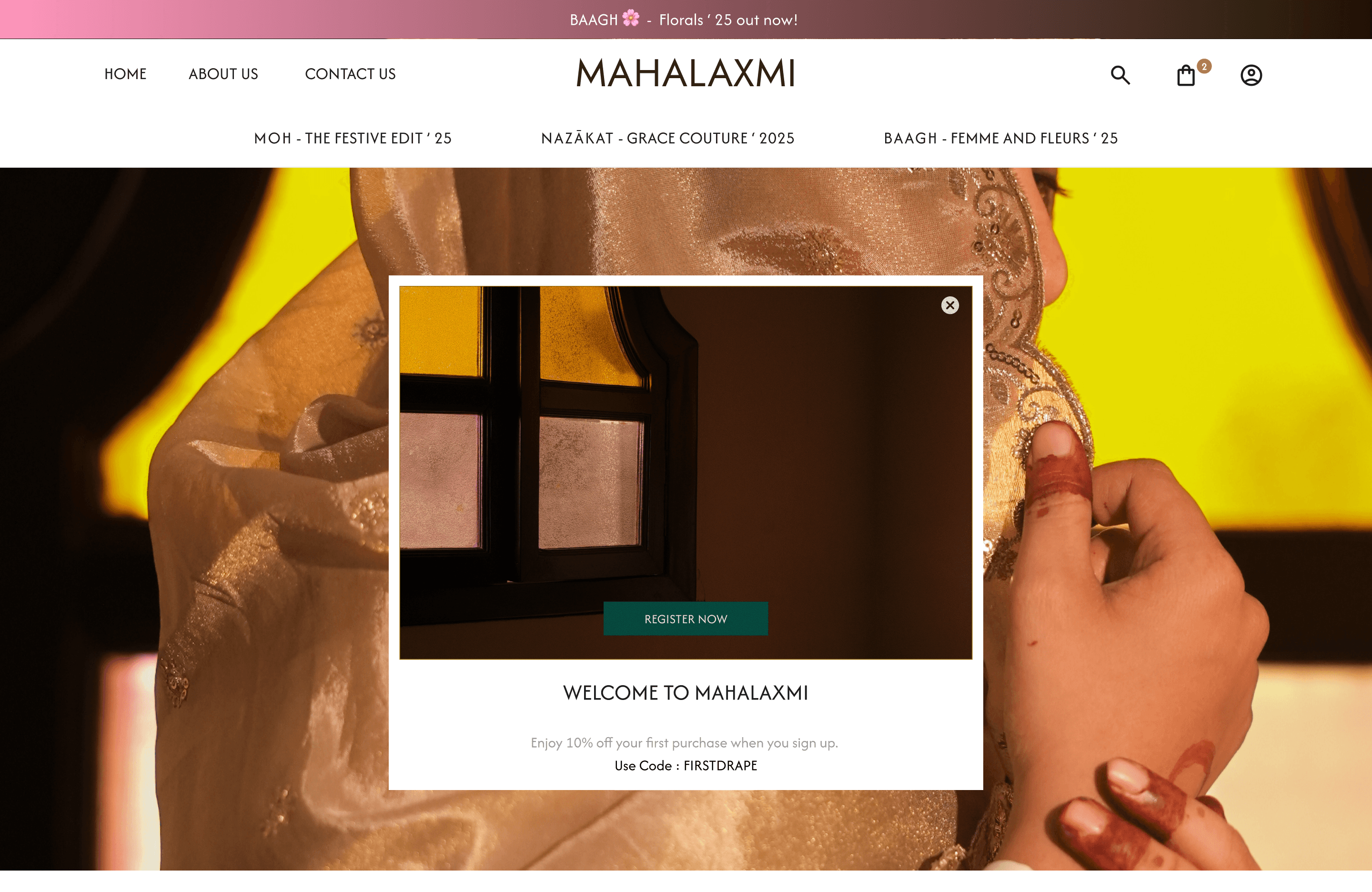
००१ / Homepage
The homepage was designed to feel calm, restrained, and editorial — giving the brand’s limited collection and photography space to lead.
Subtle moments of validation, like reviews, build trust without breaking that flow, while access to Instagram and blog content lets users step deeper into the story behind the pieces.
The experience moves from seeing, to understanding, to feeling a part of it — all without rushing the user.
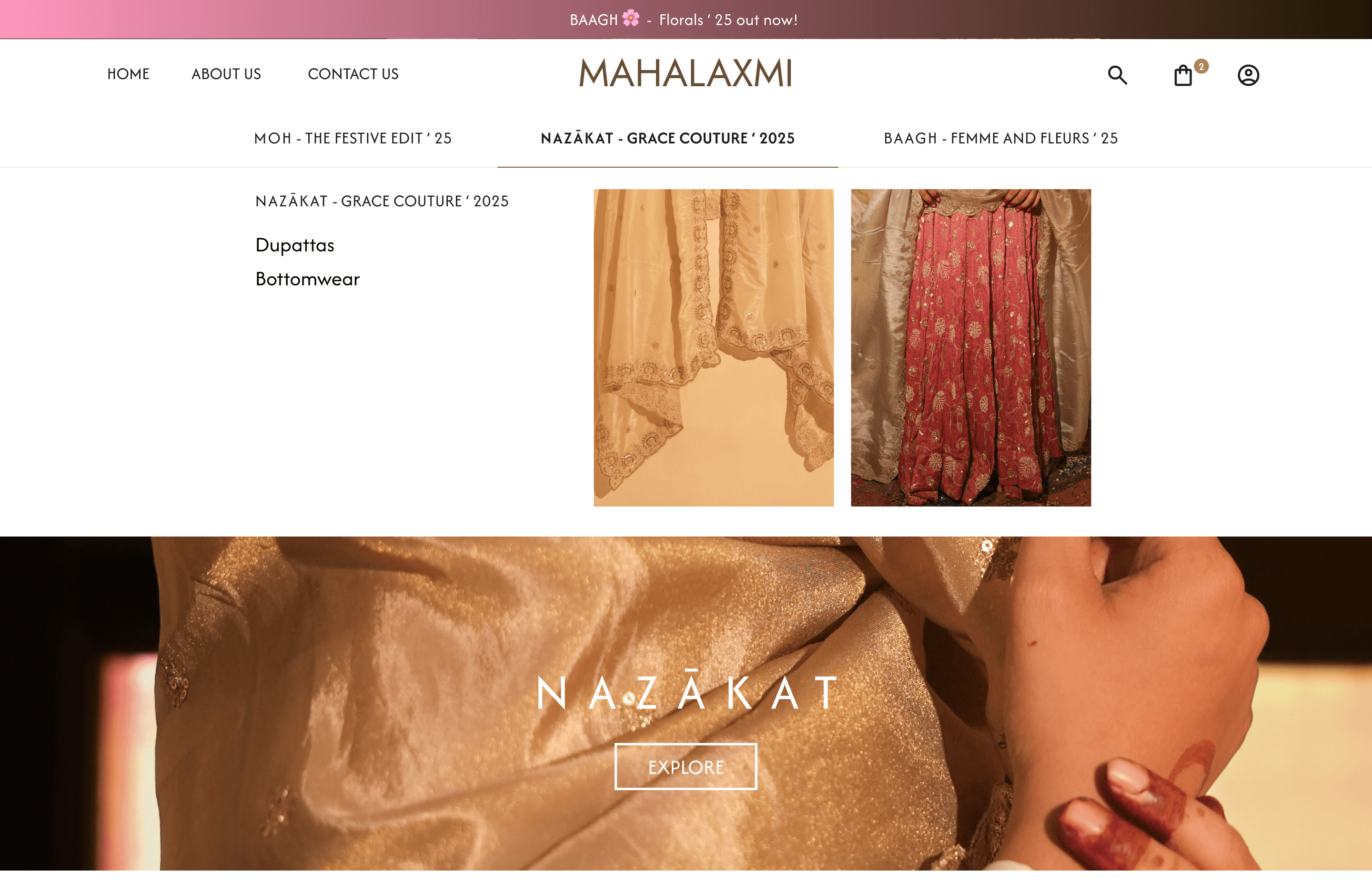
००२ / Catalogue
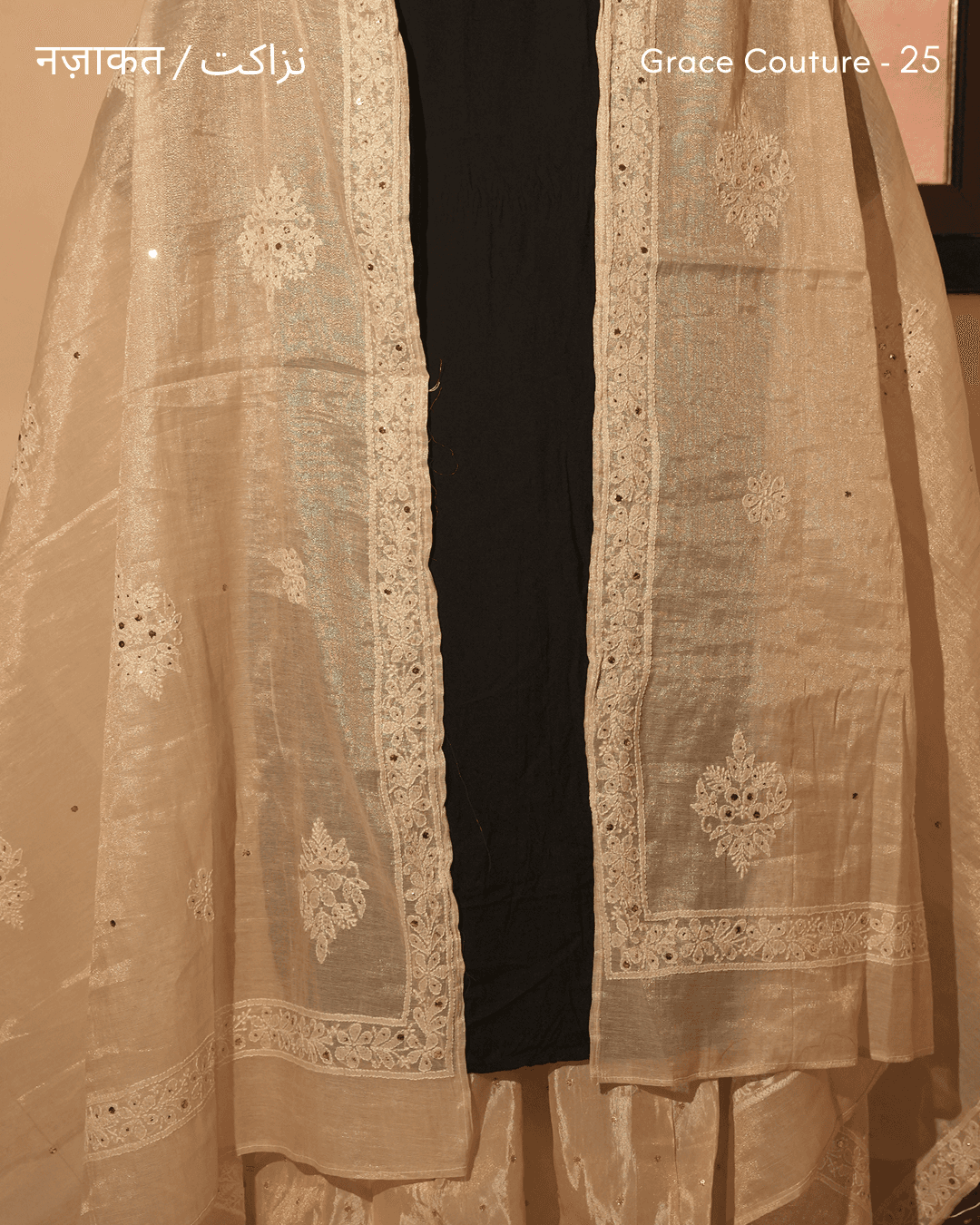
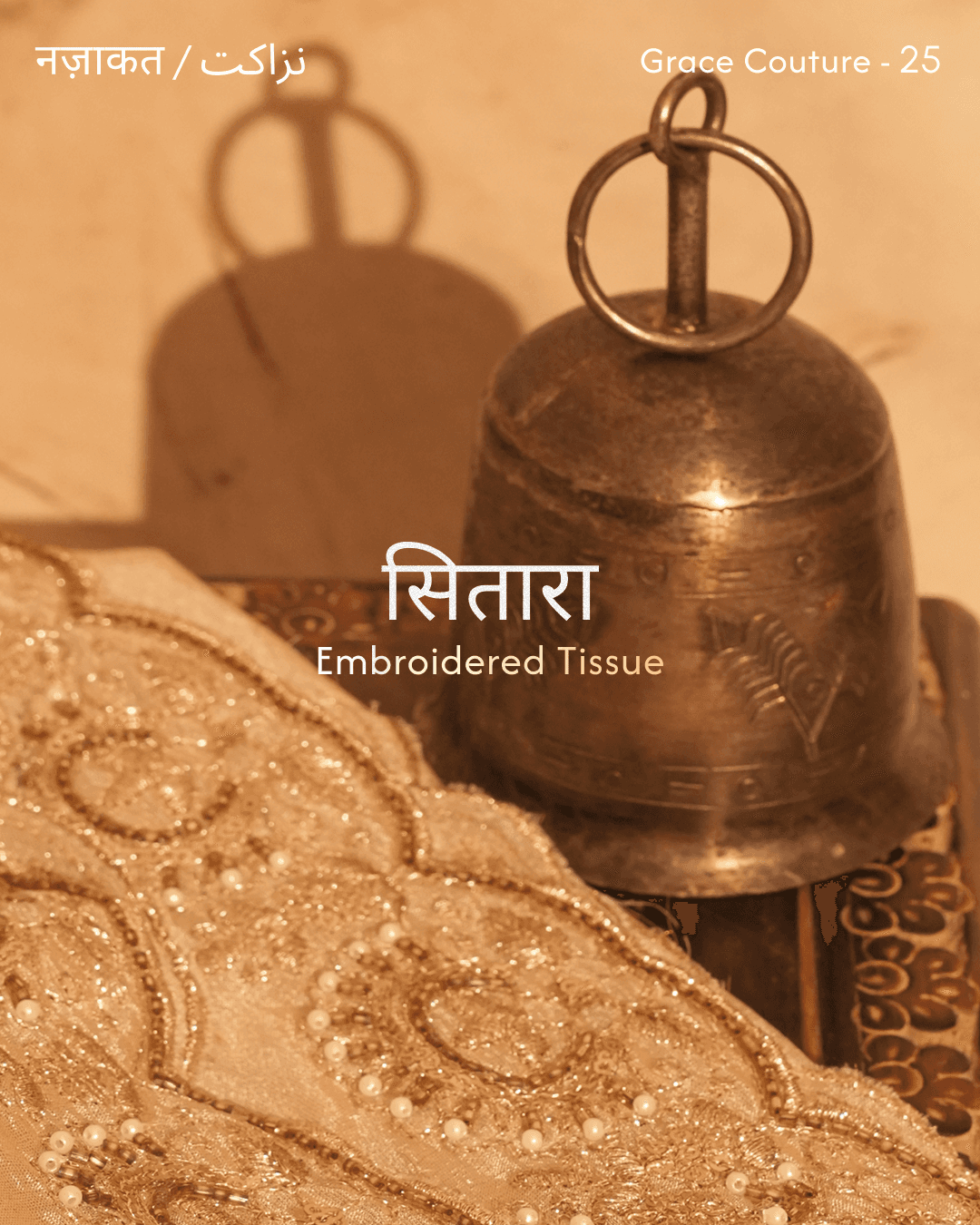
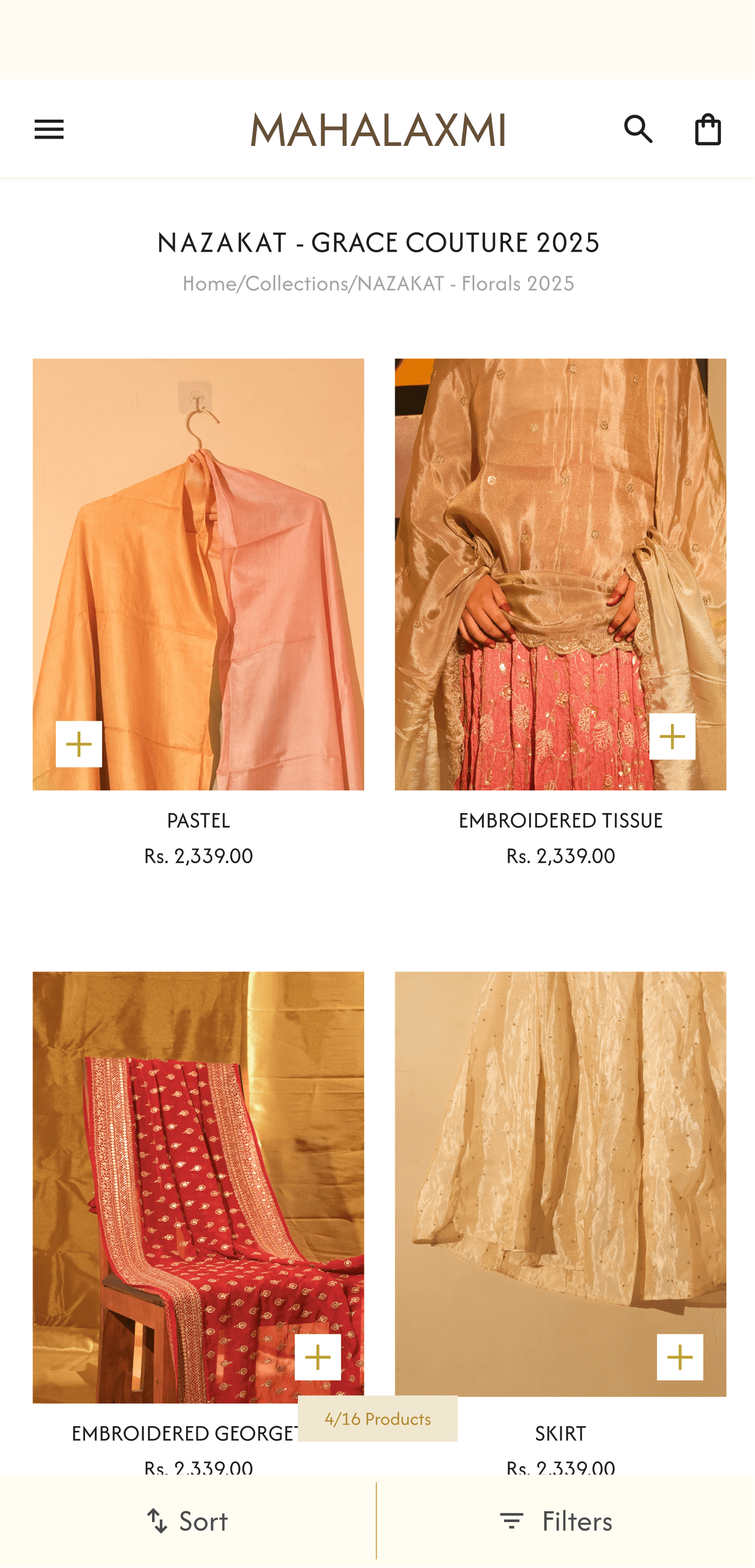
The catalogue was designed around the inventory's reality — limited stock across three curated collections: Nazakat, MOH, and Baagh. Rather than organising by product type (which would've made the selection feel sparse), collections gave the range a sense of intention.
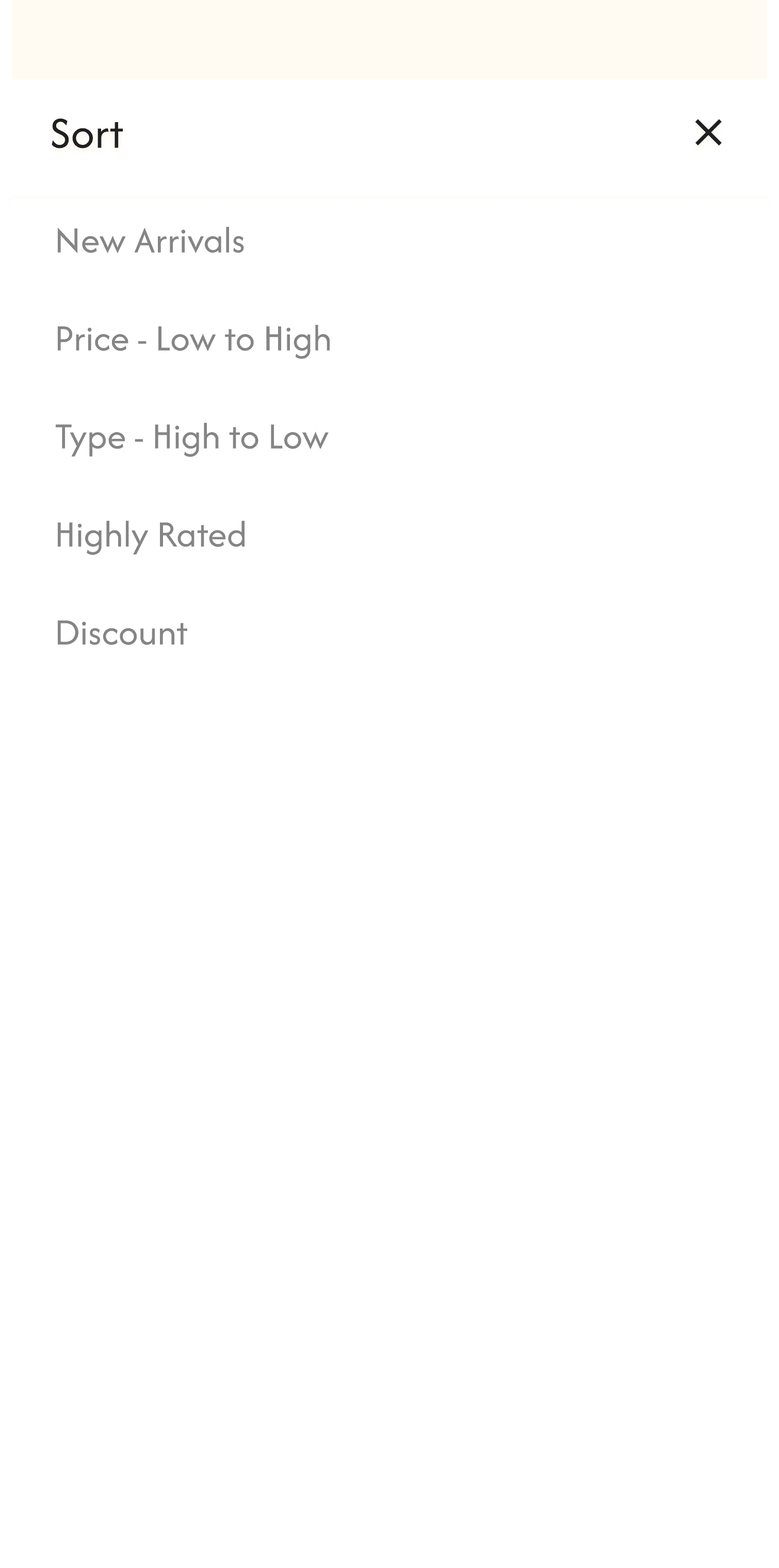
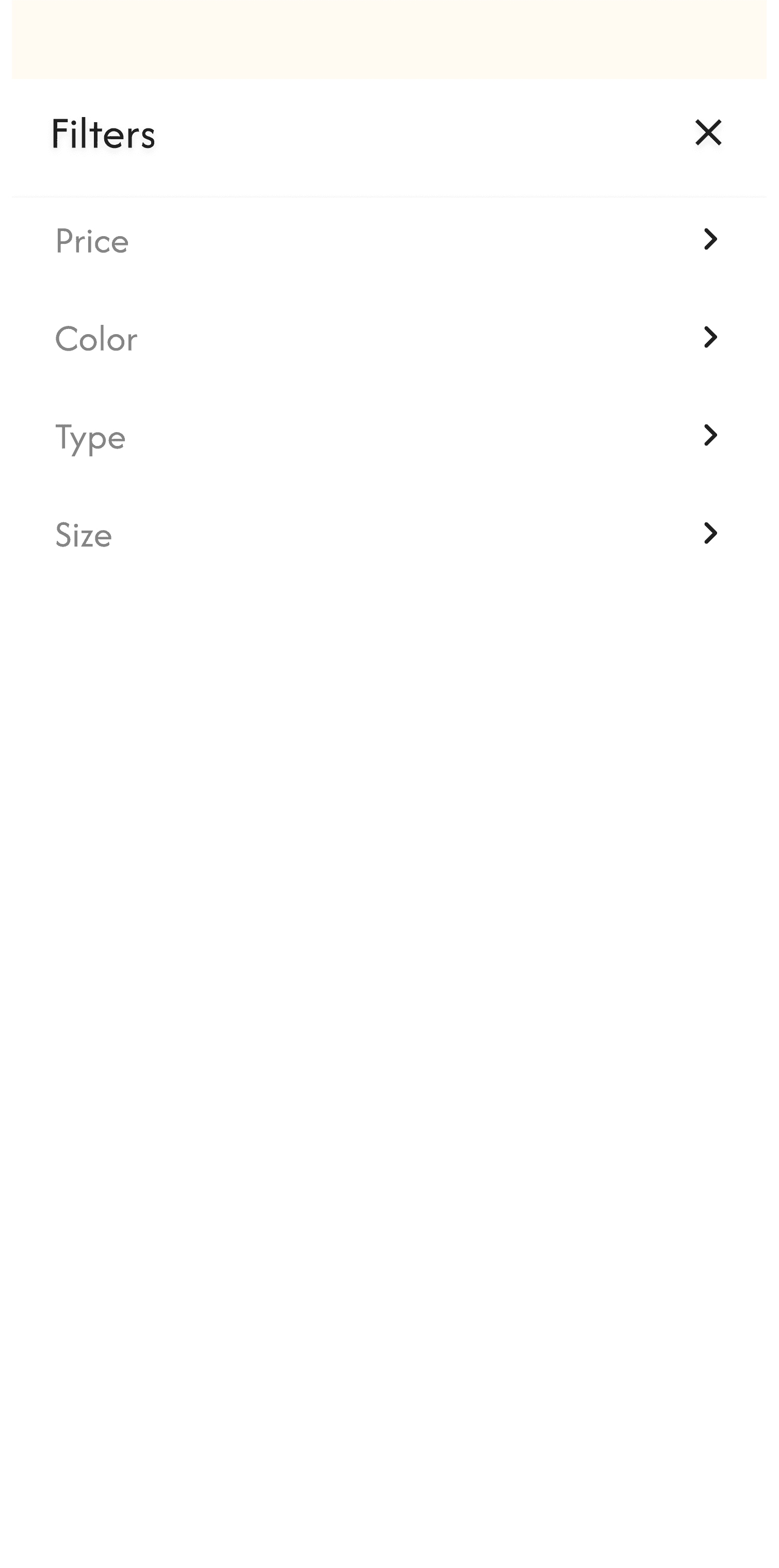
A custom filter system by price, colour, type and size, lets customers navigate without friction, while the grid steps back and lets the photography do the work.
००००३ / Product Detail Page
The product page is where trust is built. Detailed photography, fabric and care information, verified customer reviews, and delivery details — designed to give online shoppers the same confidence as walking into the store.
००४ / After Browsing
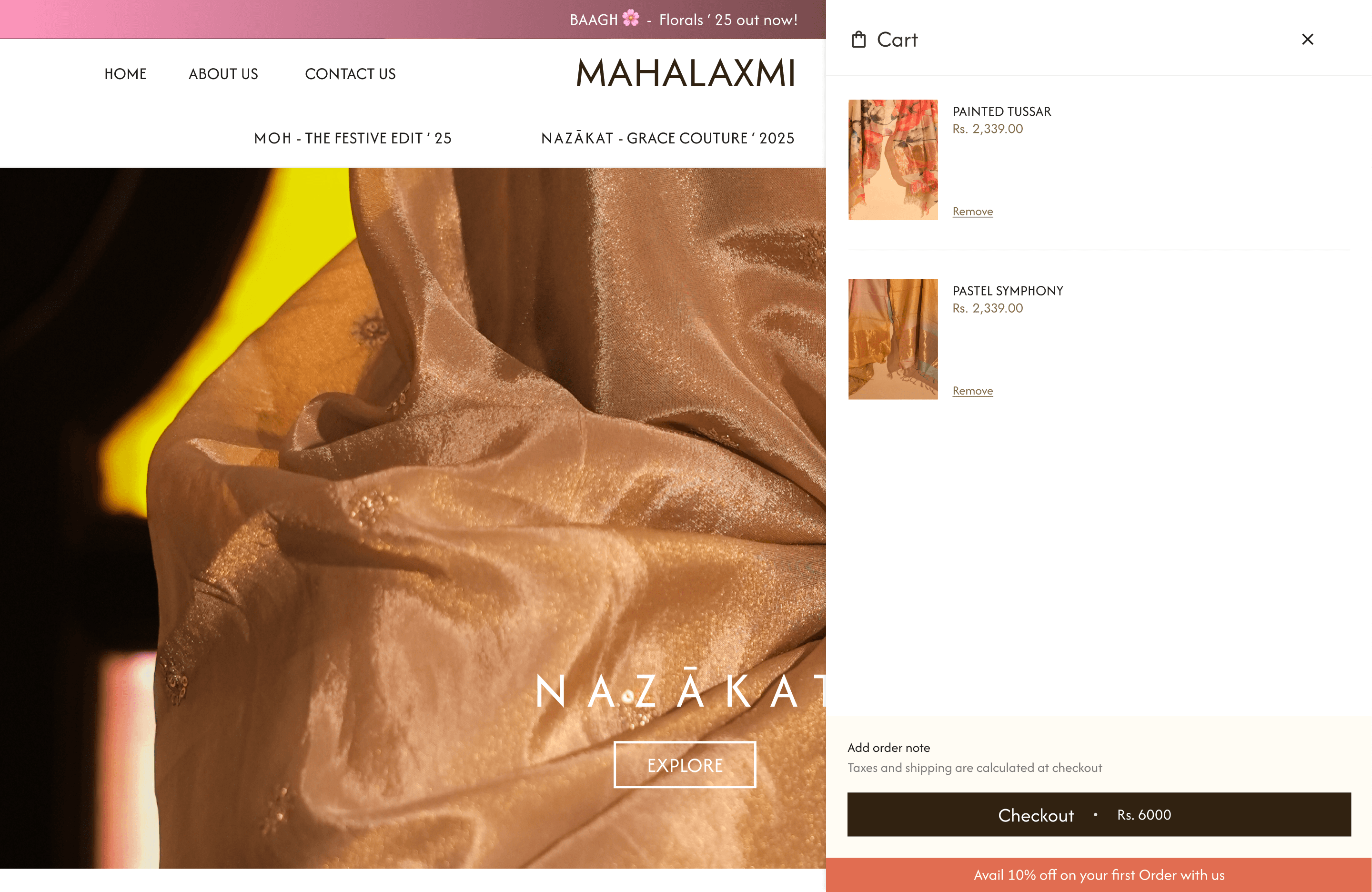
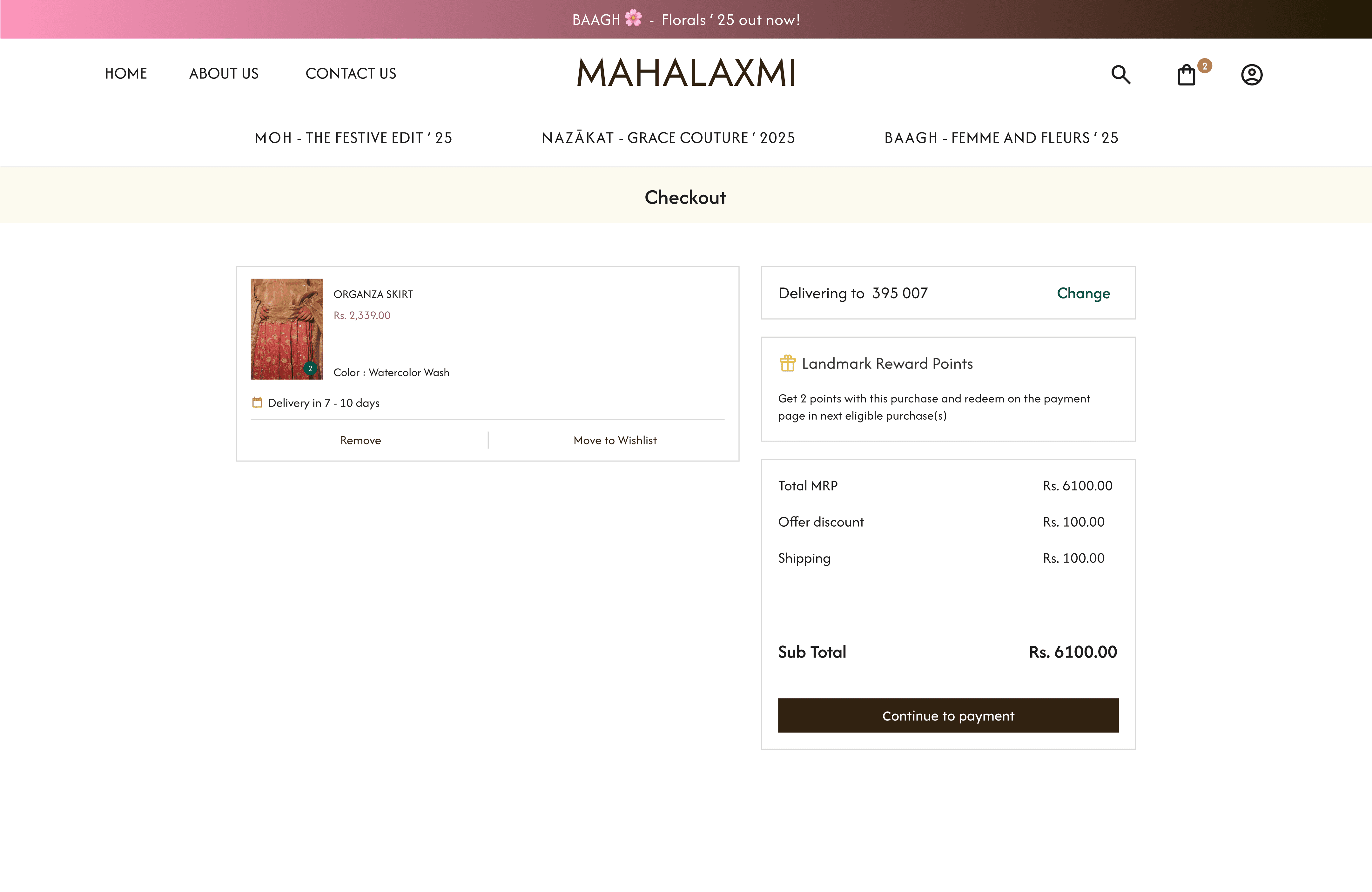
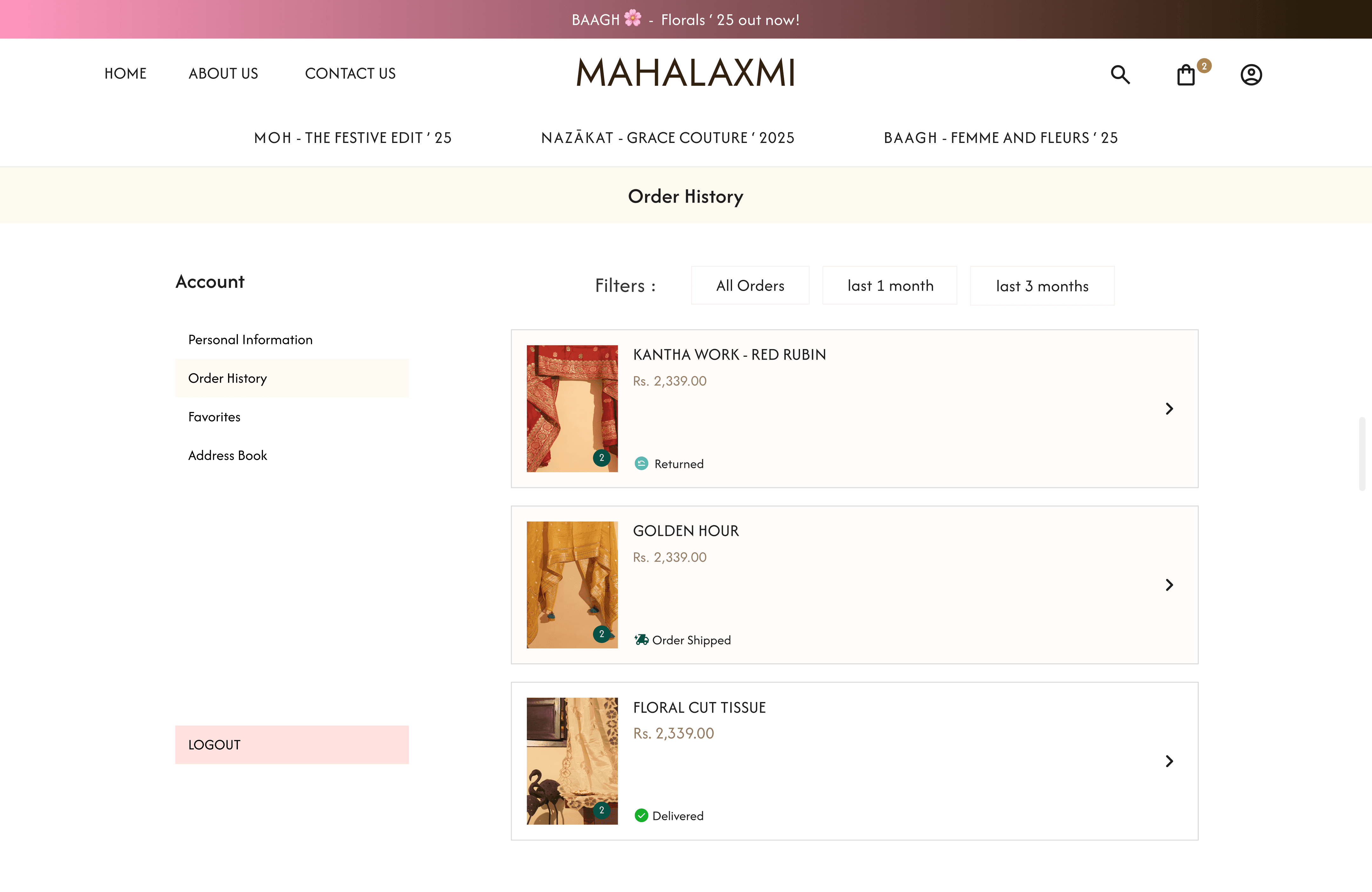
The experience extends beyond browsing — through cart and order history — designed with the same calm and consistency as the storefront.
Each step feels considered, because the easier it is to trust the experience, the easier it is to buy.
Beyond the Website
One of the more recent realizations I’ve had while working on this project is that design doesn’t stop at building the website. In e-commerce, people discover products outside the product itself, through social media, content, and how a brand shows up, and that changes how you design.
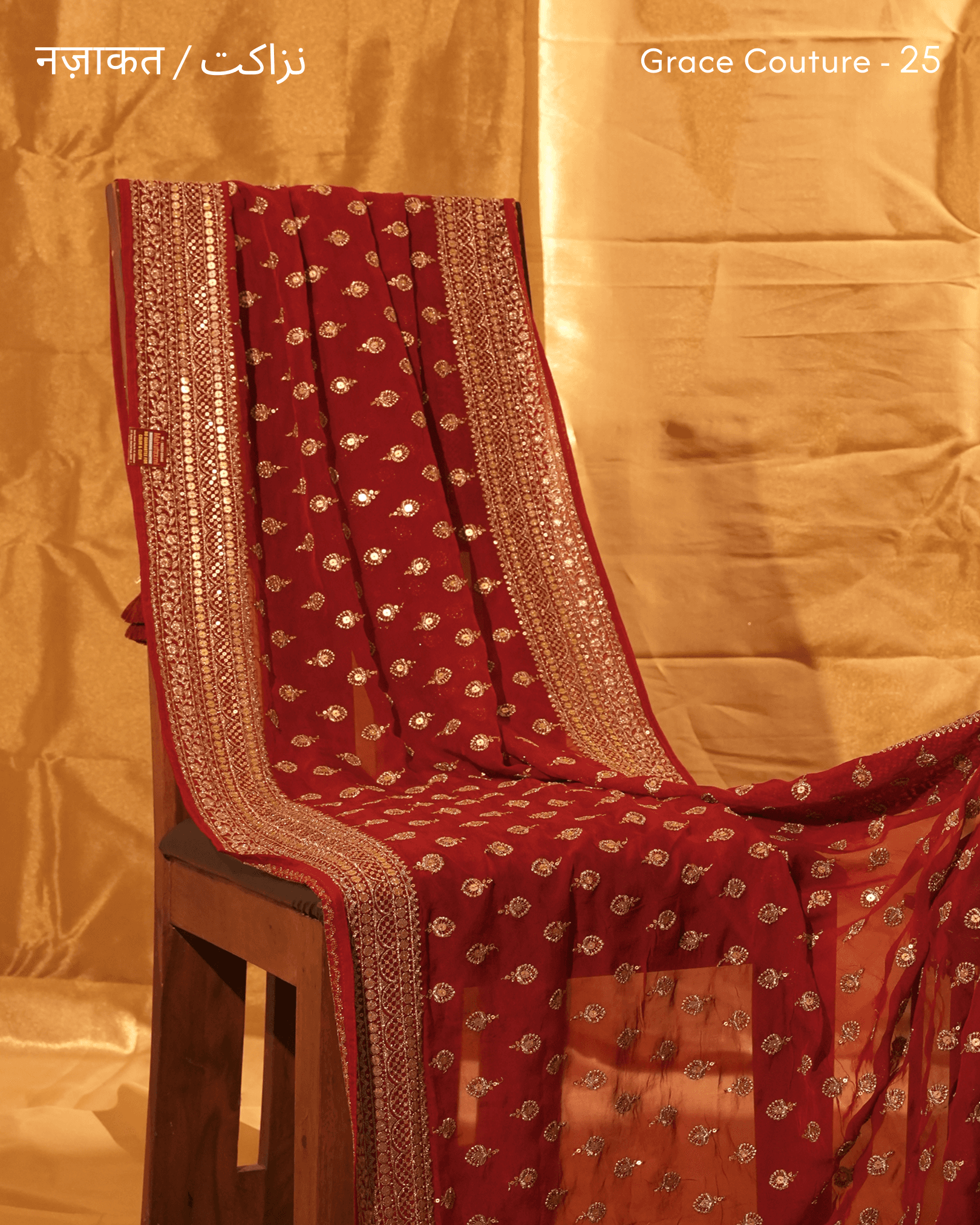
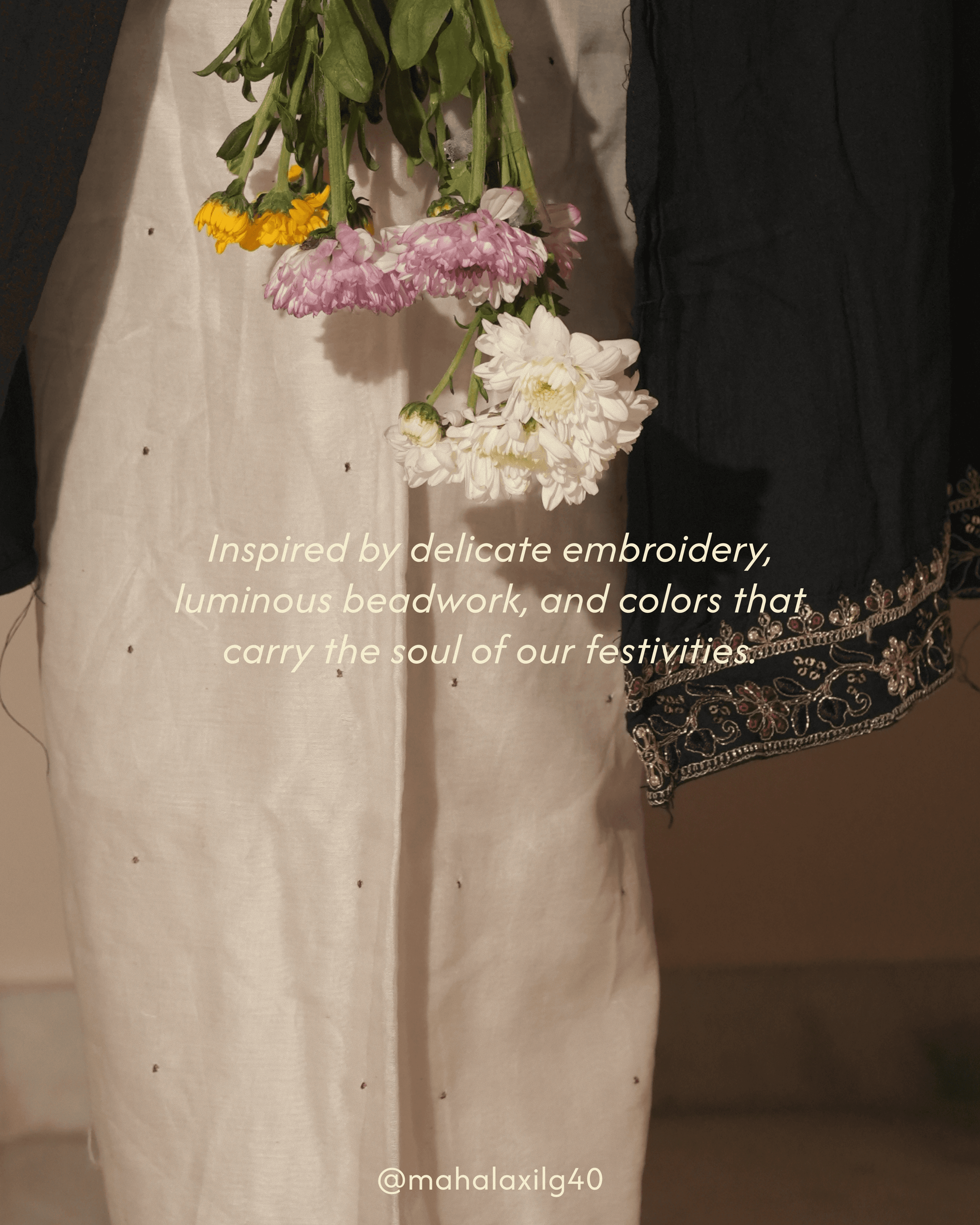
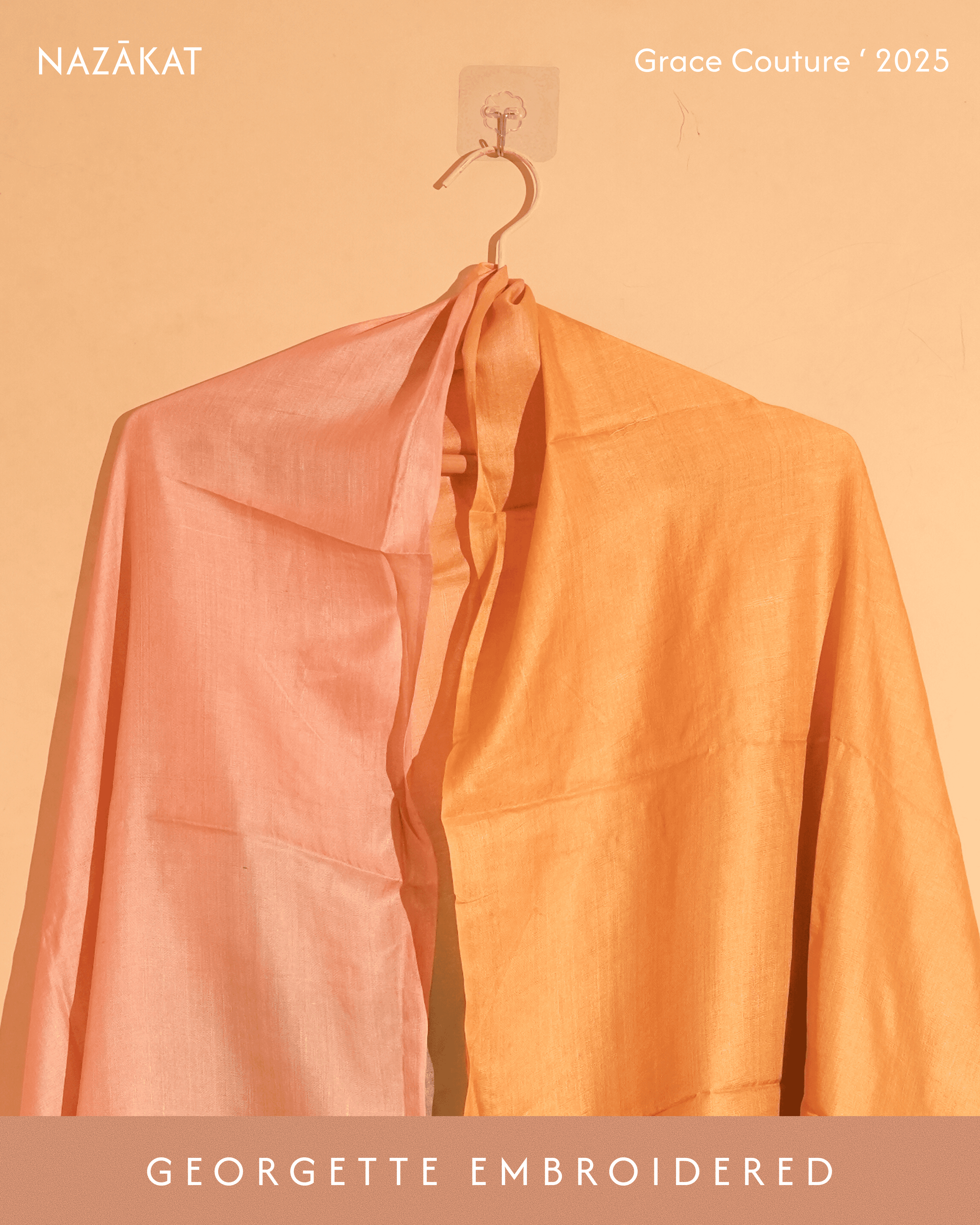
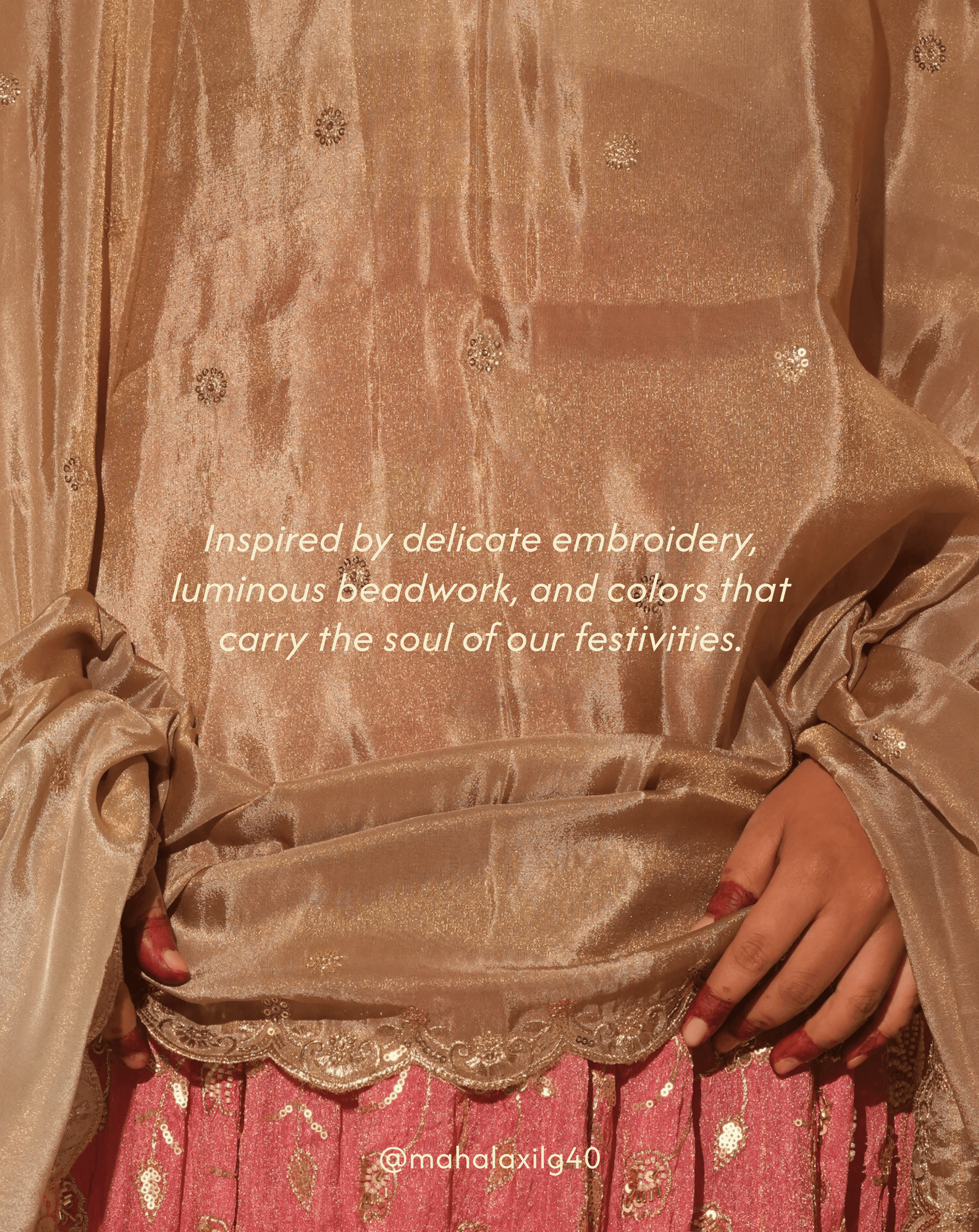
This project turned out to be much more than just building a website. It became an ongoing process of bringing a brand’s identity online — across social media, imagery, packaging, and everything in between.
That shift made the process feel more like making real business decisions than just designing screens.
A lot of this is still in progress, still being shaped.
Just sharing a few glimpses from it.